The nearest big trekking valley to Kathmandu, and the one with the most reason to want your money.
Langtang is a seven-hour drive from Kathmandu rather than a flight, which is the first thing to like about it. There is no airstrip to be weathered in at, no domestic flight to book, and you can be walking on the morning of your second day in Nepal. The valley runs east from the Tibetan border under Langtang Lirung, and the people who live in it are Tamang and Sherpa with a culture that reads as much Tibetan as Nepali.
It is also quieter than Everest or Annapurna, and that is not entirely a good thing. The 2015 earthquake destroyed Langtang village and killed a large number of people, locals and trekkers together. The valley has been rebuilt by the families who returned to it, and the teahouses you stay in are a substantial part of how those families now make a living. Trekking here puts money exactly where it is needed, which is worth knowing when you choose between regions.
The two Langtang treks we run
| Trek | Days | Highest point | Difficulty |
|---|---|---|---|
| Langtang Valley | 10 | 3,900m | Moderate |
| Langtang and Gosaikunda | 16 | 4,460m | Challenging |
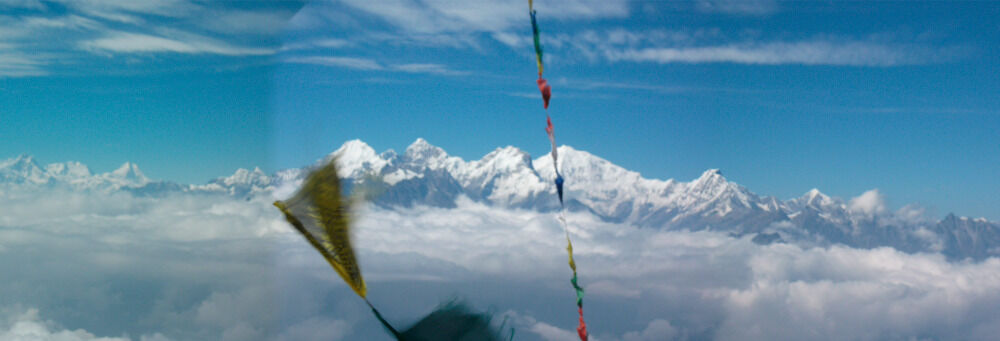
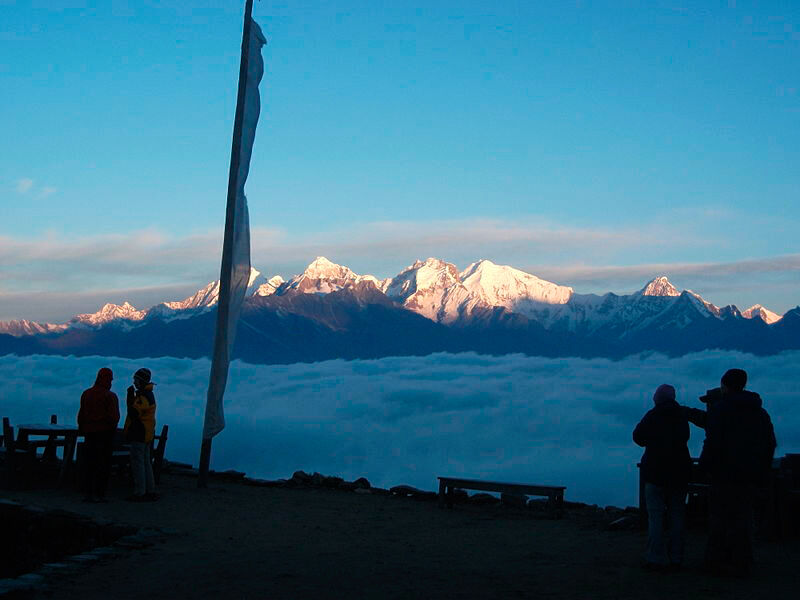
The Langtang Valley trek is ten days, tops out at 3,900m and is the most underrated trek in Nepal. You walk up through forest into a glacial valley with peaks on both sides, and because the altitude stays moderate the acclimatisation is far less demanding than a Khumbu itinerary. For a first Himalayan trek with real mountain scenery and no flight to worry about, this is the one we recommend most often and the one fewest people ask for.
Langtang and Gosaikunda adds the sacred lakes at Gosaikunda, at 4,460m, to the valley itself. Sixteen days, a proper high crossing, and a set of lakes that draw thousands of Hindu pilgrims in August. It is the harder of the two by a clear margin and the better one if you already know how you handle altitude.
Permits and the guide rule
Langtang is a national park, so the park permit is what you need, and we will arrange it with your trek. The TIMS card that older guides mention is no longer required. The figures are on permits and park passes.
Because it is a national park, the 2023 guide rule applies here in full. A foreign trekker walking up this valley needs a licensed guide or porter-guide hired through a registered agency, and the park permit is issued against that rather than to you directly. The plain version is on do you need a guide to trek in Nepal.
When to walk here
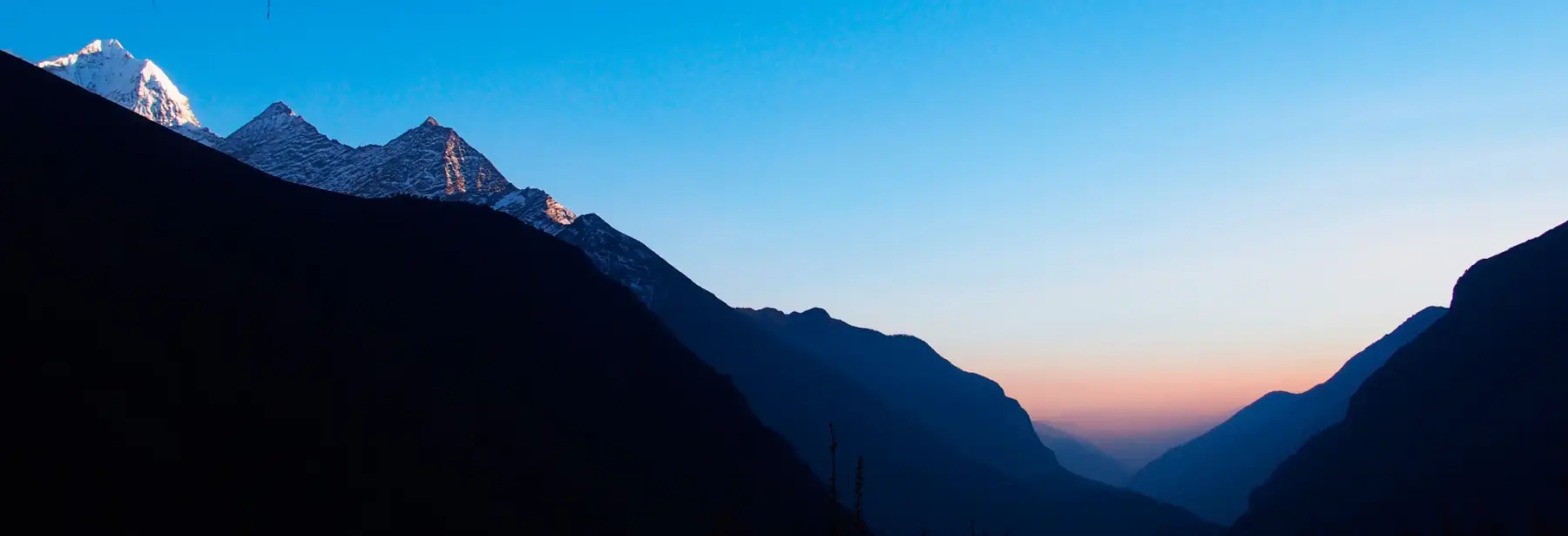
The same autumn and spring windows as everywhere else, October and November for clarity, March to May for warmth and flowers. Langtang has one advantage worth knowing: because the trailhead is a drive rather than a flight, a bad weather week costs you a wet day rather than a cancelled trek. Winter walking in the lower valley is perfectly pleasant. More in when to trek in Nepal.
What it costs here
Two published prices, both in the panel below. Hiring the team only is the same $28 a day plus 13% tax as every other region, with your guide's own food and lodging inside it. That is $316 for the ten-day valley trek. The arithmetic for both routes is on what a guide or porter costs.
Common questions about trekking in Langtang
Is Langtang safe after the 2015 earthquake?
Yes. The trail and the teahouses were rebuilt years ago and the valley has been receiving trekkers throughout. The memorial at Langtang village is worth stopping at, and your guide will tell you what happened there better than any page can.
How do I get to the trailhead?
By road from Kathmandu to Syabrubesi, which takes the better part of a day and is a beautiful, slow, occasionally alarming drive. No domestic flight, which removes the single biggest source of schedule chaos in Nepalese trekking.
Is Langtang a good first Himalayan trek?
It is our usual answer for someone who wants real mountains, moderate altitude and no flight. Ten days, 3,900m at the top, and considerably fewer people on the trail than the equivalent week in the Khumbu.
Can I combine Langtang with Gosaikunda in less than sixteen days?
Not comfortably, and shortening it is how people get into trouble on the crossing. If you have fewer days, walk the valley properly rather than rushing both. Ask us and we will be honest about what fits.