Two weeks and a half through a closed Tibetan valley almost nobody walks, then out over two passes above 5,300m onto the Annapurna Circuit.
Nar and Phu are two villages up a side valley off the Annapurna Circuit that was closed to foreigners until 2003 and is still restricted. You leave the Circuit at Koto on the third day, walk north into a gorge, and spend a week in country that looks and sounds Tibetan because in every way that matters it is: stone villages built into cliffs, gompas older than most of Kathmandu, yak herding, and a few hundred people living at 4,000m behind a checkpost.
Then you climb out of it. The Kang La at 5,320m is the only way from Nar back to the Circuit that is not the way you came, and it drops you into the Manang valley to rejoin the main trail. From there it is the best half of the Annapurna Circuit: Manang, the acclimatisation day, Yak Kharka, Thorong Phedi, and the Thorong La at 5,416m into Muktinath and the Mustang side.
It is the trek we recommend to people who have walked in Nepal before and want to know what is behind the ridge. It is not a first Himalayan trek.
Our local staff are paid a decent living wage, get provided with all the right gear and are always well looked after. We pride ourselves on this.
How it differs from the Annapurna Circuit
People ask us to compare these two and the honest answer is that this is not a longer Circuit, it is a different trip that shares an ending.
The Annapurna Circuit is nineteen days right around the massif, walking up the whole Marsyangdi valley from the subtropical bottom of it, with lodges and company all the way and one big pass at the end. This is eighteen days that drives straight past the lower Marsyangdi, spends its first week in a restricted valley with very little infrastructure, and crosses two passes above 5,300m rather than one.
Take the Circuit for the classic and the changing landscape. Take this if you have already done a teahouse trek, want somewhere genuinely remote, and are comfortable with the idea that the Kang La at 5,320m arrives on day nine.
The passes, honestly
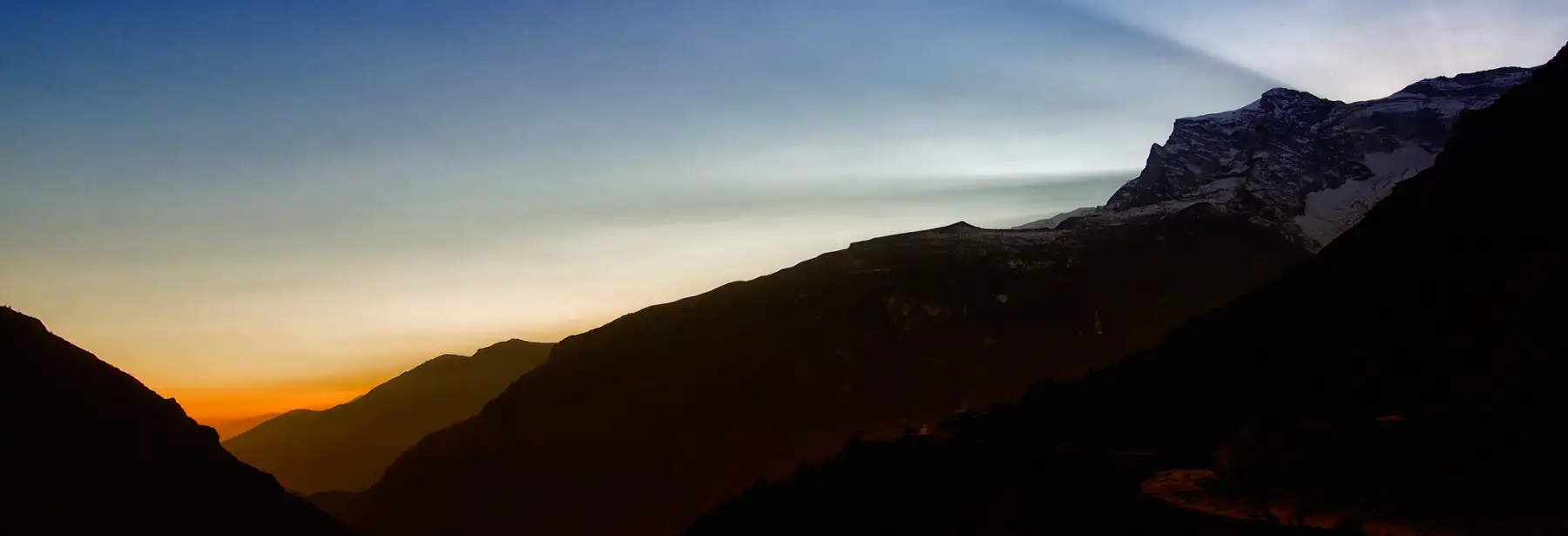
The Thorong La gets the attention because it is famous and it is the higher of the two. The Kang La is the one that decides this trek. It comes on the ninth day, from a camp at 4,480m, after a week in which the highest you have slept is 4,150m at Nar, and it is eight to ten hours with a long steep descent on the far side. There is no lodge on the pass and no shortcut off it.
What makes it work is that the Nar Phu week is itself a slow, high acclimatisation: 3,560m at Meta on day three, 4,050m at Phu with a rest day, 4,150m at Nar. By the time you reach the Kang La you have spent six nights above 3,500m, which is more preparation than most people crossing the Thorong La on a standard Circuit have had. Then Manang and its rest day set you up for the Thorong La five days later. The itinerary is built this way deliberately. Please read altitude sickness before you commit to it.
Permits and the rules up there
Nar Phu is a restricted area, so it needs a special permit on top of the ordinary conservation area one: US$100 per person for seven days, plus the Annapurna Conservation Area permit at NPR 3,000. Restricted area permits cannot be bought by a trekker over a counter under any circumstances. They are issued to a registered agency against a named licensed guide, which is what we are and what we provide. Fees move, so we confirm the current figures with your quote rather than leaving you to trust a web page. The full list is on permits and park passes.
Itinerary
Kathmandu to Dharapani 1860
Eight to ten hours by road, and a rough one for the last stretch. West on the highway, then north up the Marsyangdi on the road that has taken over the bottom of the Annapurna Circuit. Dharapani is where the walking used to start and where it still starts for us.Dharapani to Koto 2600
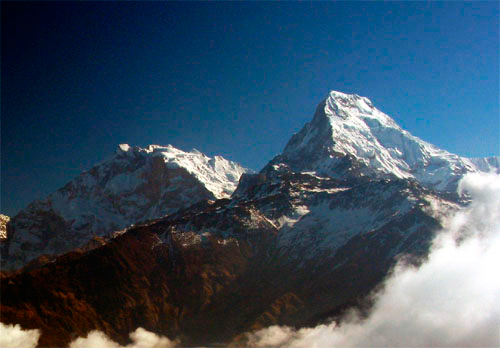
Five or six hours up the Marsyangdi through pine and rhododendron, past Bagarchhap and Danaque, with Annapurna II high on the right when the cloud allows it. Koto is a small strung out village and it is the junction: the Circuit carries on west, and tomorrow you turn north through the checkpost.Koto to Meta 3560
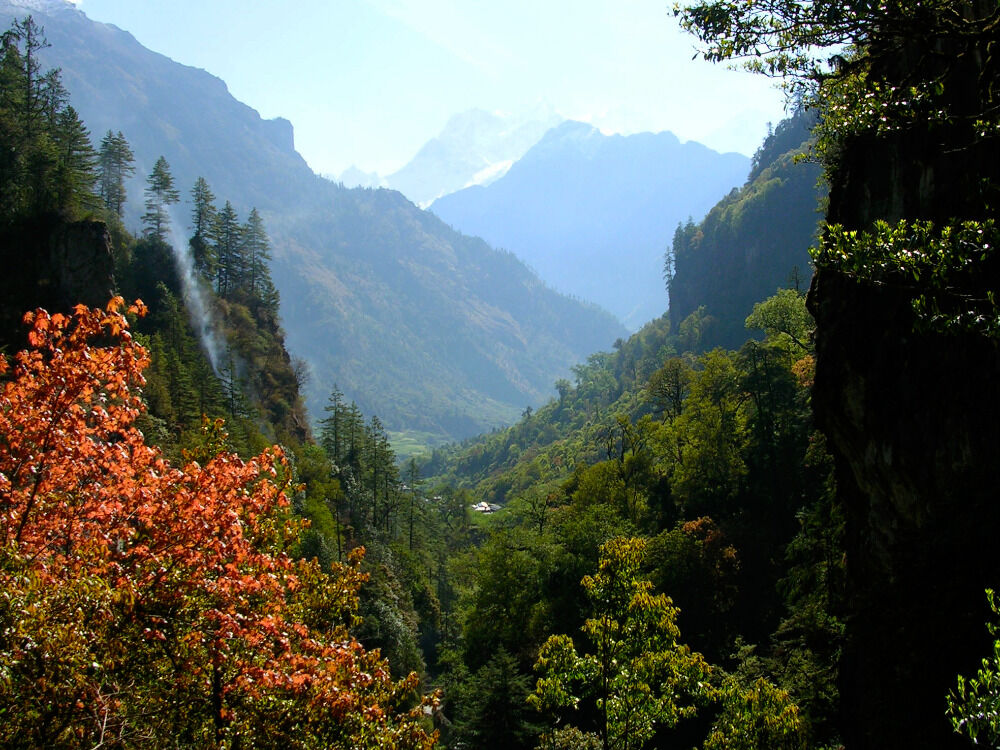
Six or seven hours and the day the trek changes character. Permits are checked at the gate and the trail enters the Nar Phu Khola gorge, narrow, forested and loud, crossing and recrossing on suspension bridges. It climbs nearly 1,000m. Meta is the first settlement out of the gorge, a scatter of houses on an open shelf with the vegetation already thinning.Meta to Phu 4050
Six or seven hours through Kyang, past the ruins of old Khampa settlements, in a landscape that has gone from forest to high desert in a day and a half. Phu appears late and suddenly: a village stacked on a bluff below the ruins of a dzong, with prayer flags and a few hundred people. Tashi Lhakhang gompa sits below it.Phu, rest and explore 4050
An acclimatisation day that is also the best day for looking around. The gompa, the old village, the yak pastures, the walk up towards the Himlung base camp trail for the views if you are going well. This day is not padding and skipping it is not an option we offer.Phu to Nar Phedi 3550
Six or seven hours back down the valley and then up the Nar side. Nar Phedi is a small nunnery and the accommodation is the monastery itself, which is basic, warm and one of the more memorable nights on any trek we run.Nar Phedi to Nar 4150
Four or five hours of steady climbing past a line of big chortens onto the shelf where Nar sits. Stone houses, narrow lanes, a lot of yaks and considerably more people than Phu. The afternoon is free, which is deliberate given what the day after tomorrow holds.Nar to Kang La Phedi 4480
Four or five hours, short by design. The trail climbs out of the village onto rough alpine ground below the pass. There is a simple lodge here, and in some conditions a camp. Early night.Kang La to Ngawal 5320
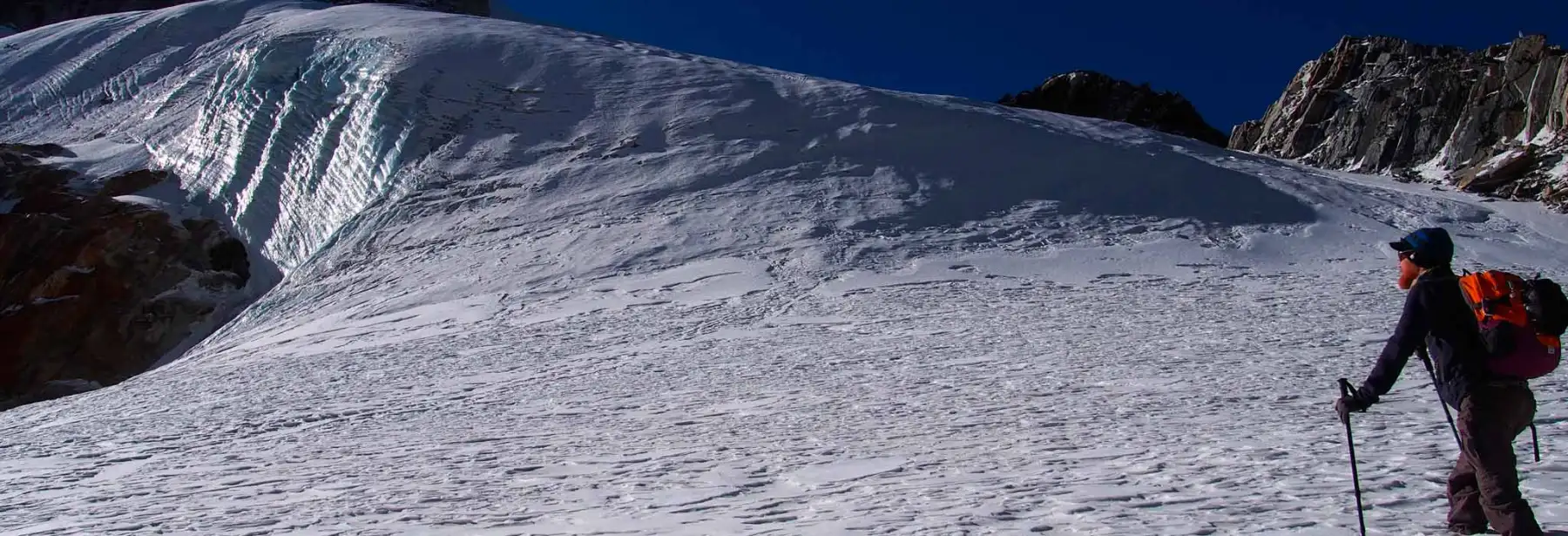
Eight to ten hours and the hardest day of the trek. A dark start and a long grinding climb to the pass at 5,320m, where the whole Annapurna range appears at once: Annapurna II, III and IV, Gangapurna, Tilicho and the Chulus. Then a long, steep, knee shredding descent into the Manang valley to Ngawal. You are back on the Circuit.Ngawal to Manang 3540
Four or five hours, easy walking down the broad upper Marsyangdi through Braga, whose gompa is worth the detour. Manang is a proper town by the standards of anywhere you have been for a week: bakeries, a cinema of sorts, and other trekkers, which will feel strange.Manang, acclimatisation day 3540
The standard Circuit rest day and it is not a day off. A climb to the Gangapurna viewpoint or towards Ice Lake in the morning, high and back down, then the altitude talk at the aid post in the afternoon. Go to it.Manang to Yak Kharka 4050
Four or five hours, out of the last trees and onto open pasture with blue sheep on the slopes above. A short day and a deliberately gentle gain.Yak Kharka to Thorong Phedi 4450
Four or five hours, one landslide prone traverse to take care on, and then the lodges at the foot of the pass. Cold, thin, busy and not somewhere anyone lingers. Eat, sleep badly, get up in the dark.Thorong La to Muktinath 5416
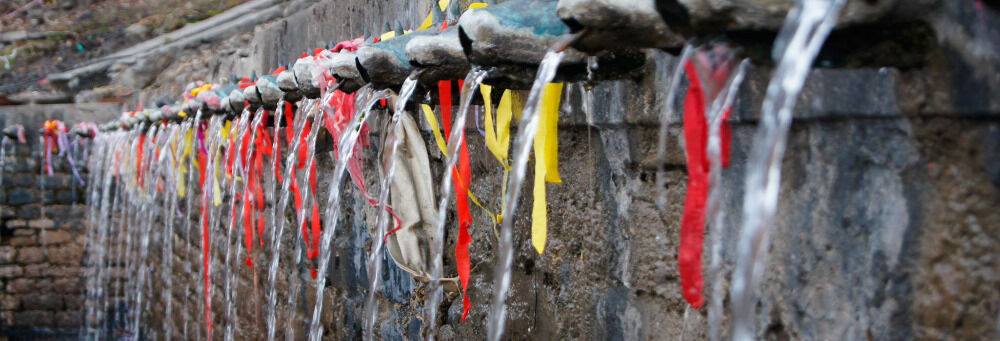
Eight to ten hours, and the day the trek is named for. Four or five hours of switchbacks in the cold and dark to the pass at 5,416m, prayer flags, a tea shack and an enormous view west into Mustang. Then 1,600m of descent to Muktinath, which is a long way to go downhill on tired legs. Muktinath is sacred to Hindus and Buddhists both, and the temple with its 108 water spouts is a hundred metres from the lodges.Muktinath to Jomsom 2720
The temple in the morning, then down into the Kali Gandaki. Five or six hours of walking and driving depending on conditions and how the group is feeling. The landscape here is Tibetan plateau: no trees, red cliffs, and the valley wind that gets up every day around eleven and does not let go.Jomsom to Tatopani 1200
Five to seven hours by road down the Kali Gandaki gorge, losing 1,500m and gaining back trees, terraces and warmth. Tatopani means hot water and there are hot springs by the river. Use them.Tatopani to Pokhara 822
Five to seven hours by road out of the hills to the lake. A hotel with a hot shower in it, and the first evening in eighteen days that requires nothing of you.Return to Kathmandu 1400
The Prithvi Highway east, six to eight hours. The trek ends on arrival in Kathmandu.
What's included
- Hotel in Kathmandu on the night before the trek
- Welcome dinner, briefing and cultural show the night before the trek
- All ground transport between Kathmandu, the trailhead, Pokhara and back
- Hotel in Kathmandu on the night after the trek
- Airport meet & greet on arrival into Kathmandu
- Hotel in Pokhara after the walking
- Teahouse, lodge and monastery accommodation during the trek
- Breakfast every morning (except arrival day of course)
- Hot drink of your choice every morning
- High quality sleeping bags provided for trek
- English speaking, skilled & experienced Nepali group leader
- Ample additional English speaking guides for the group
- Well paid local porters to carry your gear
- Proper, quality mountain gear to keep our porters safe and warm
- Insurance of all staff, including porters
- Nar Phu restricted area permit and Annapurna Conservation Area permit
- Full pre-departure briefing and trip information
What's not included
- International flights / transport
- Nepal visa fees (payable on arrival)
- Trekker's travel insurance
- Evening meals, drinks and luxuries on the trek
- Personal needs (e.g. laundry, postcards)
- Tips for your Guides & Porters
Common questions about the Nar Phu valley trek
Can I trek Nar Phu without a guide?
No, and not because of a company policy. Nar Phu is a restricted area and the special permit is only ever issued to a registered agency against a named licensed guide, so there is no version of this trek that a trekker can arrange alone. See do you need a guide to trek in Nepal.
What does the permit cost?
US$100 per person for seven days in the restricted area, plus NPR 3,000 for the Annapurna Conservation Area permit. Both are arranged with your trek. Restricted area fees are reviewed periodically, so we confirm the current figure when we quote you.
Which pass is harder, the Kang La or the Thorong La?
The Kang La, for most people. It is 96m lower but it comes nine days in rather than fourteen, from a rougher camp, with a longer and steeper descent off the far side and no lodges on the way. The Thorong La is higher, colder and much busier, and by the time you reach it you are well acclimatised.
Do I need previous high altitude experience?
We strongly prefer it. Two passes above 5,300m, eight nights above 3,500m and a week in a valley with no road out is not the place to find out how you respond to altitude. If this is your first trek in Nepal, look at the Annapurna Circuit or Annapurna Base Camp first, and come back for this one.
What is the accommodation like in Nar and Phu?
Basic teahouses and lodges, a good deal simpler than the Circuit, and at Nar Phedi a nunnery where you sleep in the monastery. Expect shared rooms, no heating beyond the dining room stove, intermittent or absent hot water and dal bhat twice a day. That is the trade for being somewhere with a few hundred residents and no road.
When can this trek be done?
Spring and autumn. The Kang La holds snow well into spring and closes readily in winter, and the two passes together take the winter option off the table. The Nar Phu valley sits partly in the rain shadow, which makes summer less hopeless here than elsewhere, but the passes still decide it. See when to trek in Nepal.