Elite Trekkers Find a Guide
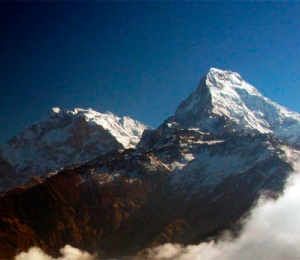
The Annapurna massif

Nepal Treks

Planned treks in the Everest, Annapurna and Langtang regions and off the beaten track, walked on your dates rather than a fixed departure calendar.

Checked

Planned itineraries in four regions, walked on your dates rather than ours, with a Nepali team hired and paid properly.

An organised trek is the version where the thinking is already done. The route, the daily distances, the acclimatisation days and the permits are worked out, your guides and porters are arranged, and you turn up and walk. Most people who come to Nepal for two or three weeks want exactly this, and the itineraries below are the ones we run most often.

One thing that makes us different from most operators: we do not publish a calendar of fixed departures. There is no group already booked that you are joining on a date somebody else picked. You tell us when you can travel, and the trek runs then, whether that is you on your own, you and a friend, or eight of you.

Where we walk

The Everest region is the famous one. Four routes into the Khumbu from eleven days to nineteen, including Everest Base Camp itself, and the highest and coldest walking we offer.

The Annapurna region is the most flexible. Nine routes from a seven-day introduction at under 3,000m to the nineteen-day Circuit over the Thorong La, and Upper Mustang behind the main range, almost all of it starting near Pokhara.

Langtang is the quiet one, a drive from Kathmandu rather than a flight, with real mountain scenery at moderate altitude. It is the region we recommend most often and the one fewest people ask for.

Off the beaten track is the rest of Nepal: lowland walking and village homestays in the hills, and at the other extreme the twenty-day Kanchenjunga circuit in the far east, which is the emptiest big trail in the country.

Organised trek, or hire a guide and plan it yourself?

These are the two halves of what we do, and it is worth knowing which one you want before you go any further.

Take an organised trek if you want the route decided, the paperwork handled and a team waiting for you. Take the guide finder if you would rather build the trip yourself and simply hire the people: you pick the route and the pace, we find you a licensed guide or porter at a published day rate and arrange the permits. That side of the site starts at hiring a guide or porter, and what it costs is on what a guide or porter costs.

Neither is the cheap option in disguise. The same guides walk with you either way, and they are paid the same either way.

Before you choose a trek

Three things decide more trips than the route does.

  • The rules. Since April 2023 a foreign trekker in a national park, conservation area or restricted area walks with a licensed guide, and the permits come through a registered agency. Every trek on this page is inside that. See do you need a guide to trek in Nepal.
  • The season. October and November are the clearest, March to May the warmest and greenest, and the winter is fine at lower altitude and hard above 4,000m. When to trek in Nepal goes through what each one actually feels like.
  • The altitude. Half the itineraries here sleep above 4,000m, and it is the thing most likely to end a trek early. Read altitude sickness before you commit to a high route rather than after.

Permits for each region are listed on permits and park passes, and we arrange them with your trek. How the money works, a small deposit and the balance paid in person in Nepal, is set out on booking procedures.

If none of these is quite it

Build your own trek is for a group of four or more who want something that is not on this list. Our guides come from villages all over the country and the best trips we run are usually the ones somebody asked us to invent.

Trekking for a charity gets 30% off our standard trekking prices, because you should be worrying about your sponsorship rather than about us.

Common questions about our organised treks

Do I have to join a group of strangers?

No. We do not run scheduled departures with other people's names already on them. Your trek is walked by you and whoever you bring, on dates that suit you, which is why a solo trekker and a party of eight both work here.

What is the difference between this and hiring a guide directly?

How much of the planning you want to do. An organised trek is a worked-out itinerary with the permits and the team arranged. The guide finder hires you the people at a published day rate and leaves the route to you. Same guides, same wages, different amount of thinking on your part.

Can I change an itinerary?

Usually, and people often do: an extra acclimatisation day, a side valley, a slower start. Tell us before you book rather than on the trail, because the permits and the days your team is hired for follow the plan.

How far ahead should I book?

For October and November, as early as you can, because that is when good guides are hardest to get hold of rather than because prices move. Our rates are the same whenever you ask. Outside the peak weeks a fortnight is usually enough.

Planning this trek?

Hire a licensed Nepali guide or porter.

Tell us where you're headed and we will match you with someone from our team. One person reads every enquiry and replies within two working days.