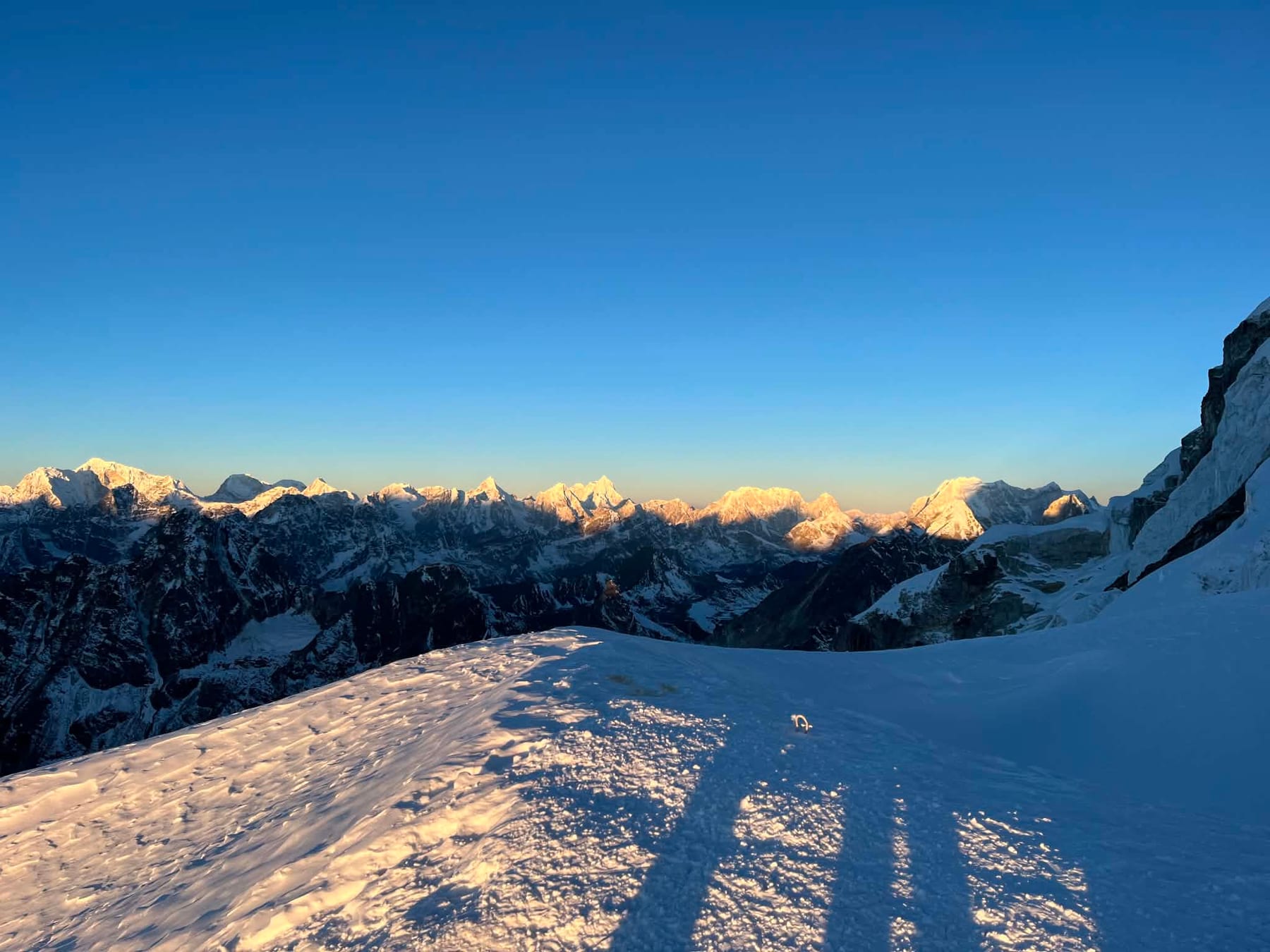
Four Himalayan summits, all of them above 6,000 metres, and three of them within reach of a fit trekker with no mountaineering behind them.
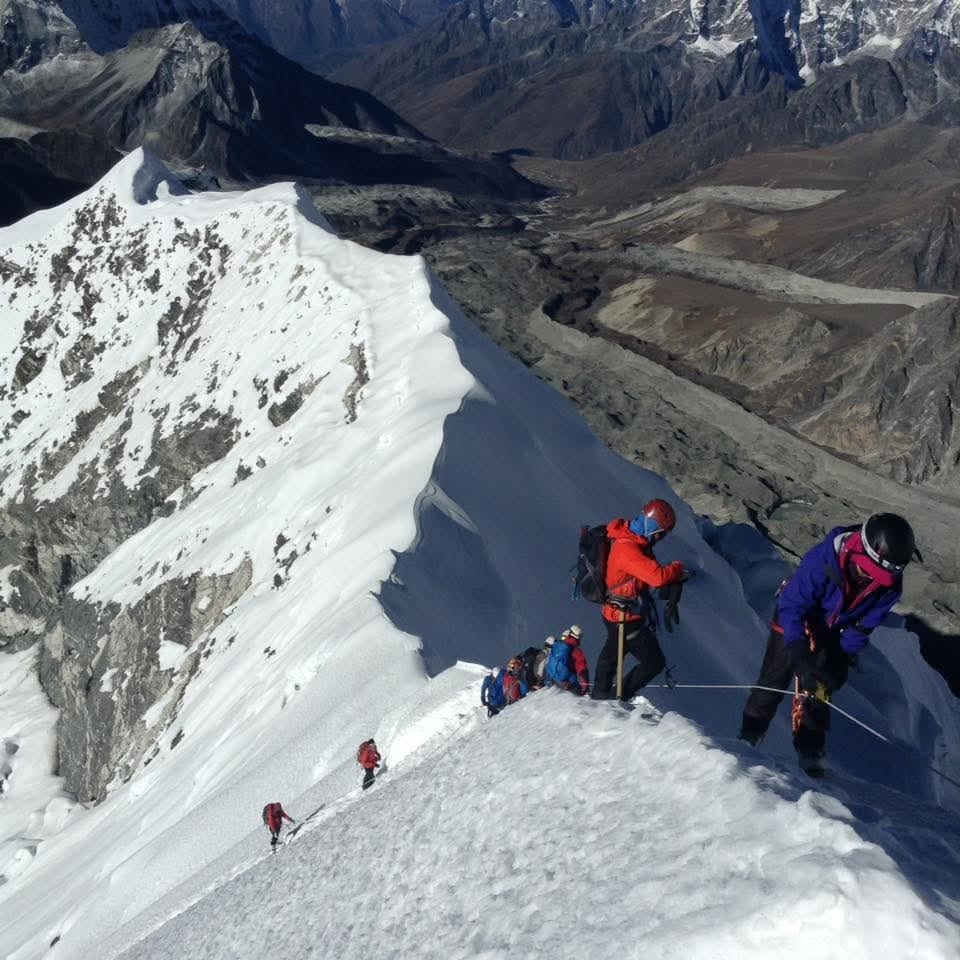
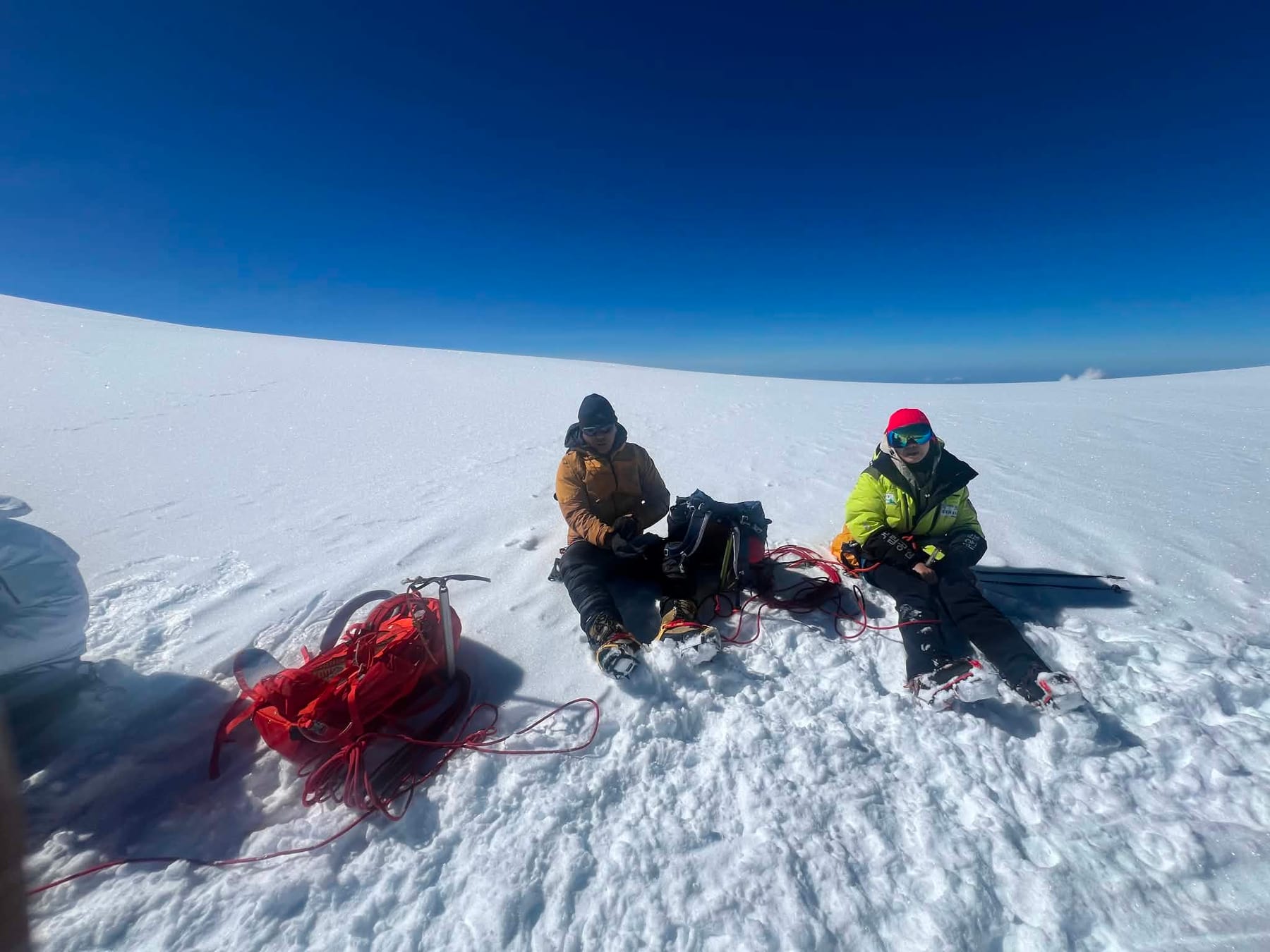
Nepal's trekking peaks sit in the gap between a hard trek and a full mountaineering expedition. You walk in over a week or more, acclimatise properly on the way up, spend a day with a climbing guide learning to use crampons, harness, ice axe and rope, and then climb a real Himalayan mountain on fixed lines.
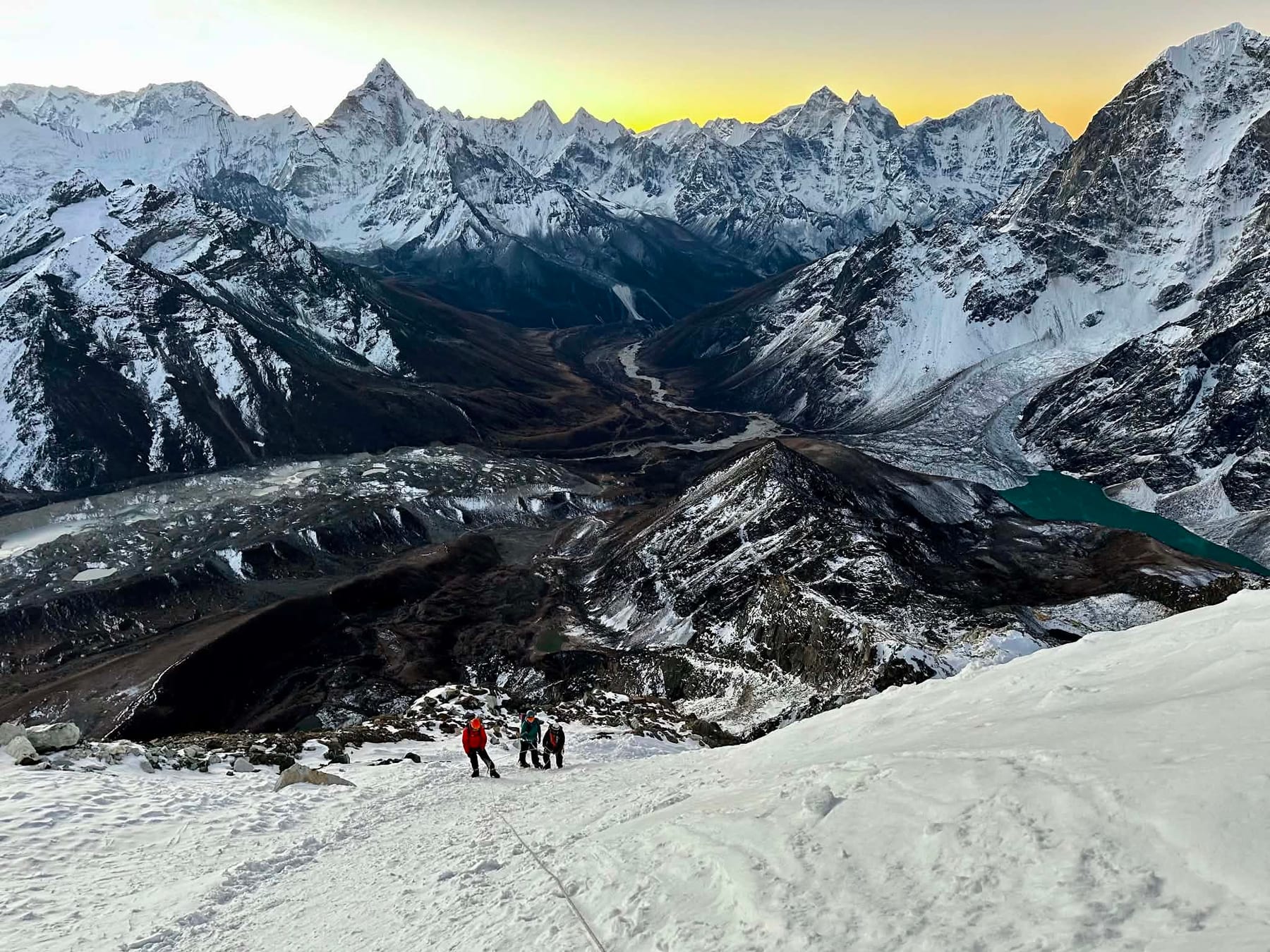
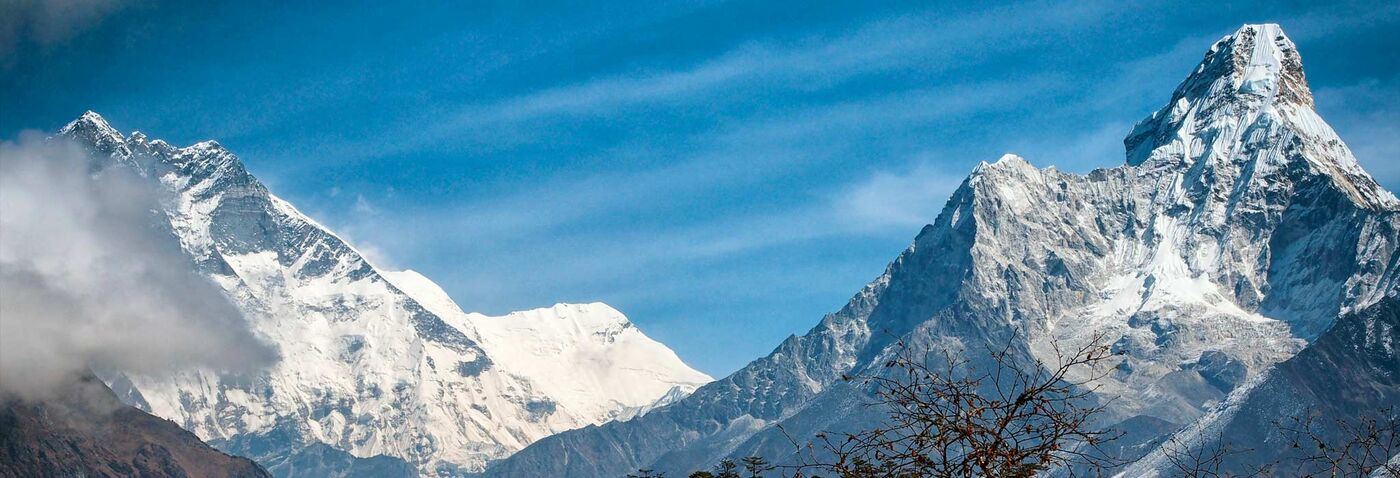
No previous mountaineering experience is needed on Island Peak, Mera Peak or Lobuche East. Previous high-altitude trekking experience is, and so is honest physical preparation. Summit day is eight to twelve hours on snow, ice and glacier, starting in the dark, in serious cold, higher than anywhere a trekking trail will take you. Ama Dablam is a different order of climbing again, and asks for genuine technical mountaineering experience.
Every climb here is run by our own Nepali team: a climbing guide alongside your trekking guide and porters, with the same wages, insurance and mountain gear for staff that we apply on every trek we run.
Permits, fees, route conditions and climbing regulations on these peaks change from season to season. We confirm what is current with you before you commit to a departure, and we will always turn a team around rather than push a summit in the wrong conditions.